
The roots of trees can cause cracking and heaving of concrete and asphalt when driveways and walkways are too close to the trunk of the tree.  When planting a tree be sure to leave enough room for the tree to grow. To avoid damage to your walkway, driveway and patio you should plant at least 5 ft away.

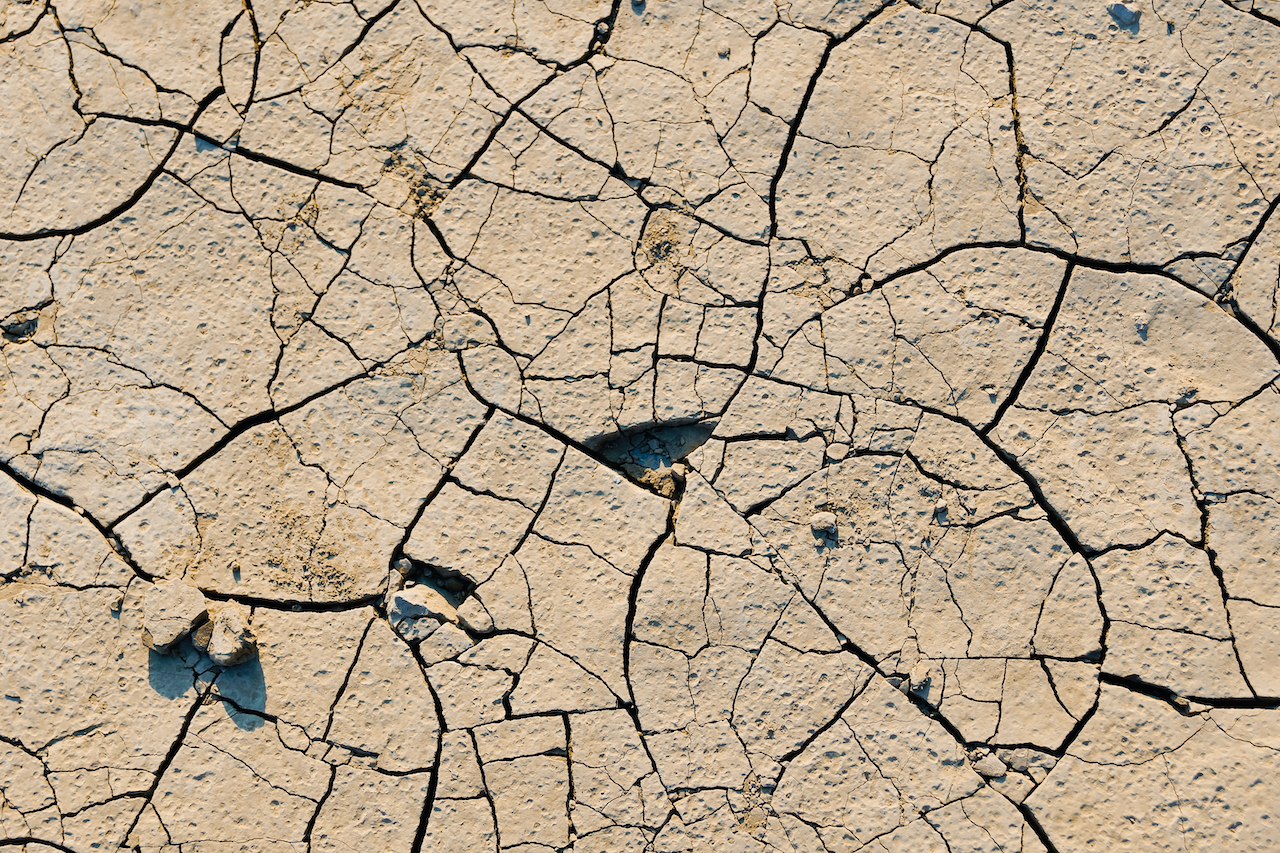
Water expands when it freezes. What usually causes the heaving and cracking of driveways or walkways is the expansion of water in the soil below when it freezes.

After each freeze-thaw cycle, the cracks and the heaving get a little worse. During the winter months roots are dormant until the spring thaw. When they start to grow again they grow into the additional space created by the cracking and heaving.

Don’t blame the trees and their roots for damaging foundations or cracking and heaving walkways, driveways or patios. They didn’t do it!

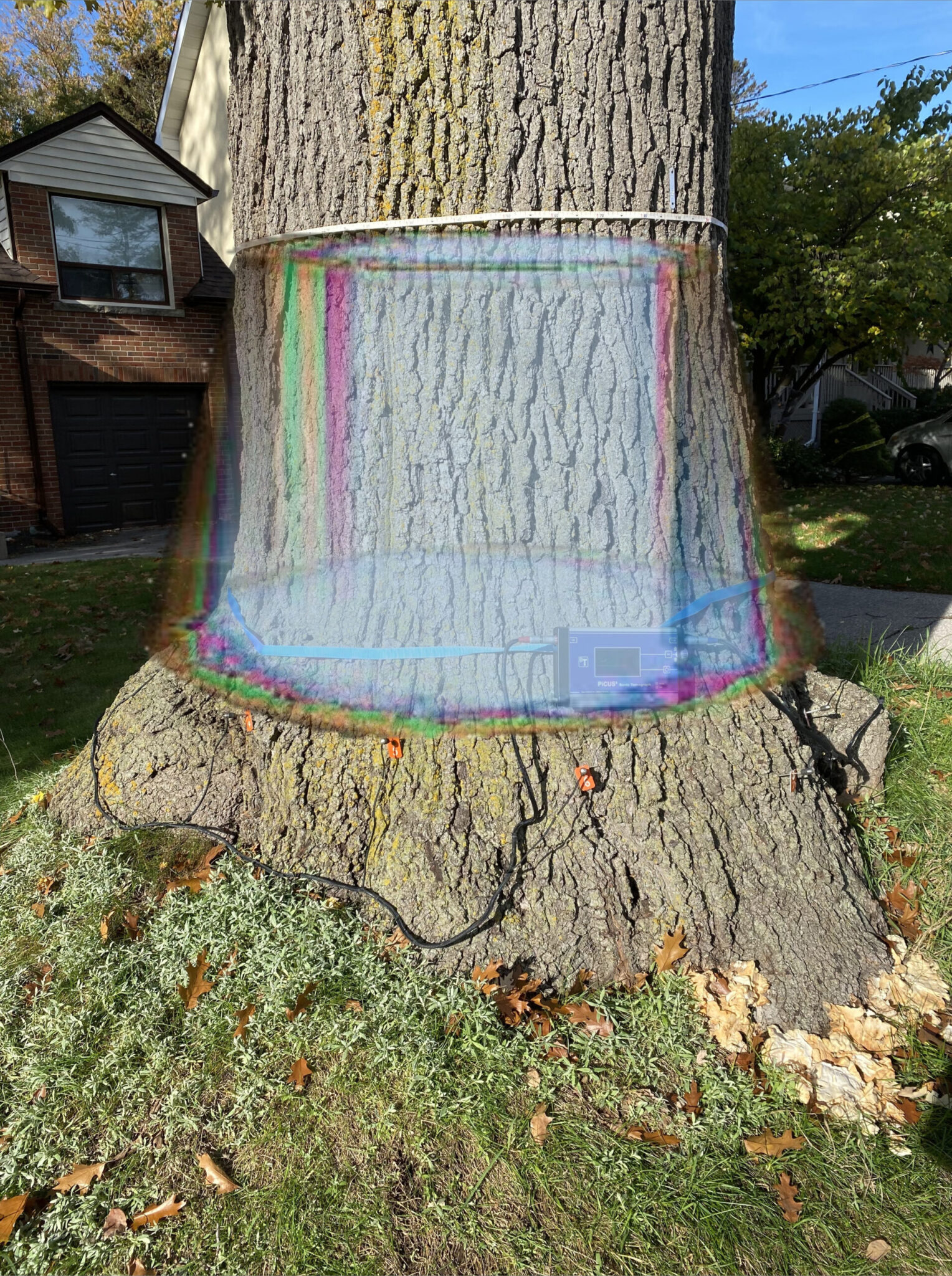
The three most important things that roots need and want are:  soil, air and water. The best and easiest place for them to find these three essential is at the surface of the ground. That’s why the roots if a tree, planted in good soil will not grow deeper than 2-3 ft below the surface. The roots may extend out from the trunk as much as three times he length of the longest branch.

If you have a broken drain or water pipe, the roots will be attracted to the leak because it provides water and air.  It is important to keep in mind that the roots do not cause the breaks. They will however take advantage of the break or leak caused by something else such as aging pipes.

The area where soil meets the foundation of a building can also provide a where the roots can find soil with a bit of air and water. If there are cracks in the foundation then the water will collect there and freeze in the winter. The water in the crack will expand when it freezes. The ice, when it expands, has enough force to cause small cracks to become larger with each freeze-thaw. It is important to make sure basement walls are properly waterproofed to avoid costly repairs.

Tree roots are only interested in water and air. Roots are not capable of causing cracks or making existing cracks bigger. They are only taking advantage of the space, water and air that is left once the ice has melted.


Thanks to the City of Toronto

Did You Know…

  • One tree produces the daily oxygen needs of 4 people.
  • Trees cut down noise pollution by acting as sound barriers.
  • Tree roots stabilize the soil and prevent erosion.
  • The death of one 70-year old tree would return over three tons of carbon to the atmosphere.
  • Tiny pores on the underside of each leaf trap and absorb air pollutants such as sulphur dioxide, nitrous oxide and ground level ozone making our air healthier to breathe.
  • Some trees can “talk” to each other. When willows are attacked by webworms and caterpillars, they emit a chemical that alerts nearby willows of the danger. The neighboring trees then respond by pumping more tannin into their leaves making it difficult for the insects to digest the leaves.
  • Knocking on wood for good luck originated from primitive tree worship when rapping on trees was believed to summon protective spirits in the trees.
  • For the average Toronto home, three well-placed trees can cut air conditioning needs by up to 40% and heating needs by 10%.
  • Trees in an urban setting produce as ‘oasis effect’ by shading concrete and asphalt surfaces and by reducing ambient air temperatures when moisture evaporates from leaf surfaces.
  • Trees are the longest living organisms on earth.

Earth Day is coming soon – April 22. Celebrate the wondrous benefits of trees and make a wise investment by planting a shade tree in your yard! But before you plant, take some advice from the experts to help your new tree live a long time. Often homeowners waste hundreds of dollars  on trees that will die as a result of being plated to deep. A hole dug too deep is a sure way to kill a tree.

Properly planting a tree is absolutely essential in the future failure or success of the tree. Choosing a quality tree and following up with good tree care practices, such as watering, pruning and fertilizing, will not save a poorly planted tree. The most common mistake homeowners make is planting the root ball too deep.

Balled and Burlapped Trees (B&B):

Balled and Burlapped trees come with a ball of soil protecting their root system. Soil balls are extremely heavy, a professional with the proper equipment should be hired to plant large trees. When carrying a smaller B & B tree it is important to place a hand under the root ball. Carrying a B & B tree by the stem or branches can result in serious root damage. When planting the tree, set the root ball in the hole, position the tree so that it is straight, then remove twine and nails. It is important to remove or fold back burlap from the upper third of the root ball.

Planting Guidelines:

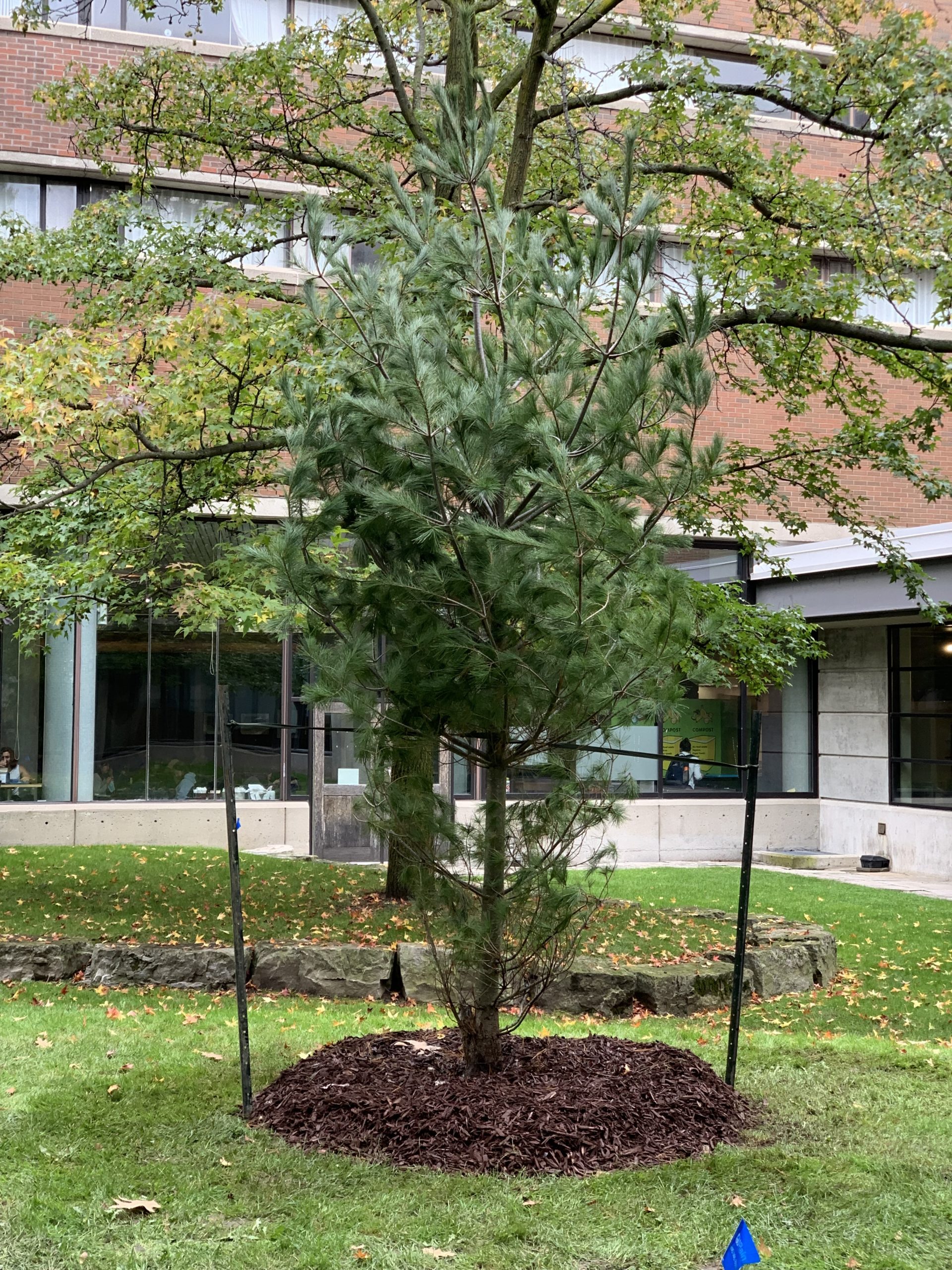
  • Mulch the planting area with 2-4 inches of an organic mulch such as wood chips. Start the mulch 6 inches away from the tree trunk – do not mulch up to or against the trunk.
  • Trees should be pruned after planting to remove broken, damaged, diseased or dead branches.
  • Stake and/or protect the trunk of the tree if there is a real potential for wind damage or lawn mower injury. Remove the guy wires when the staking is no longer needed or the tree could be injured or even killed from girdling by the wire.
  • Prune to develop a good branch structure once the tree has become established in its new home, usually 1-3 years after planting. Never remove more than 25 percent of total foliage in one year.


Thanks to the TREE CARE INDUSTRY ASSOCIATION

If you have ever escaped from blazing hot sun in a shady spot under a tree, you know how these natural air conditioners can make you feel more comfortable. A mature shade tree can block up to 90 percent of solar radiation, which could translate to a significant reduction in your home cooling cost. A Pennsylvania study found that air conditioning needs could be reduced by up to 75 percent by shading a house with trees!

Reduce energy use by planting deciduous trees on the south and west sides of a building.

Since deciduous trees lose their leaves in winter, they offer shade during summer but permit the winter sun to provide warmth.
Beyond energy savings and beauty, homeowners who take care of their trees and keep manicured yards find the value of their properties increase.

In a comparison of house prices to house characteristics, location and landscape quality, the study showed houses that obtained an “excellent” landscaping rating from a local landscaping professional could expect to sell at a price 6 to 7 percent higher than equivalent houses with a “good” landscaping rating.


Thanks to the TREE CARE INDUSTRY ASSOCIATION

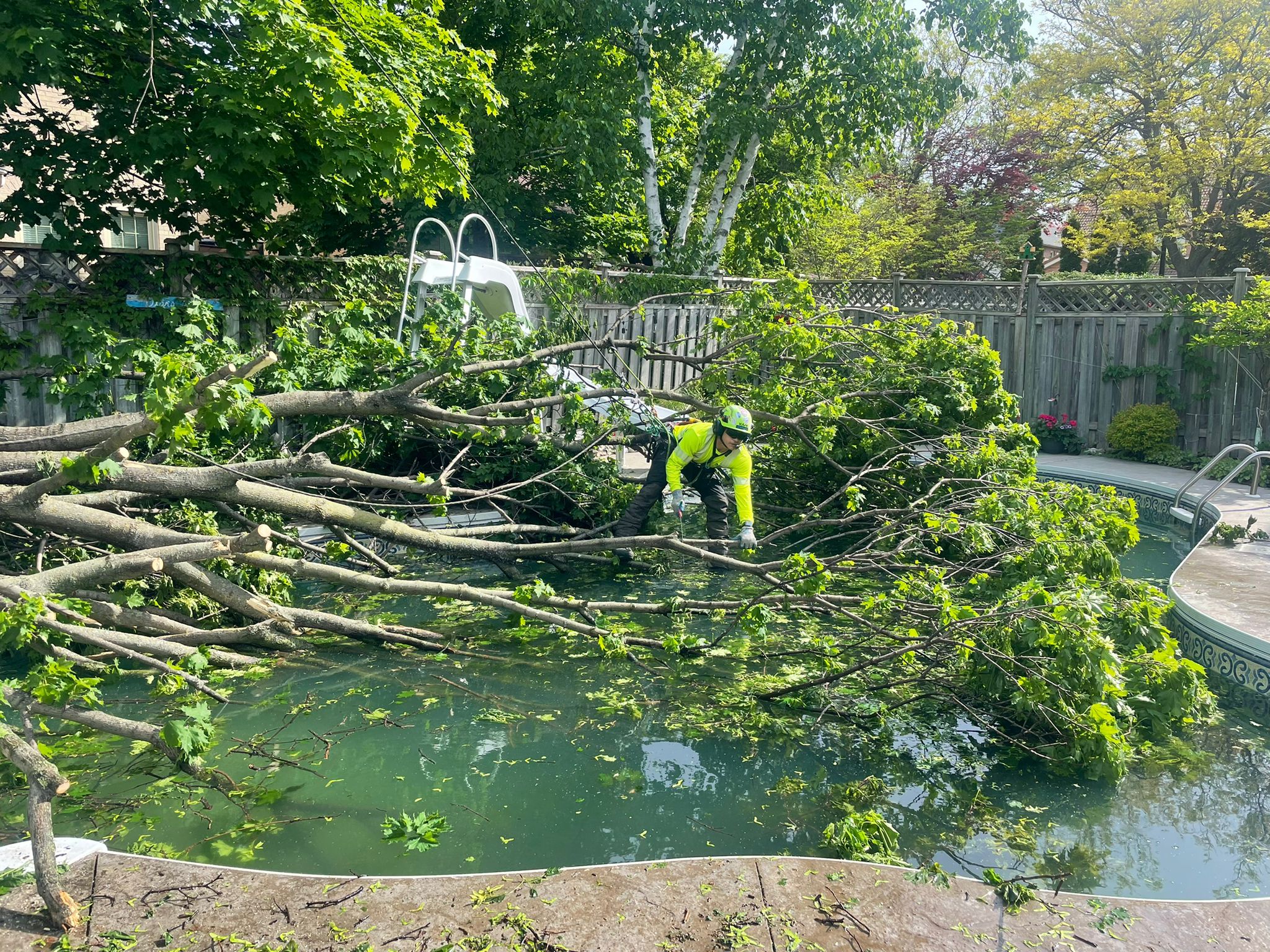
Winter storms can cause extensive damage and immense stress on our urban forest. A certified arborist can help you determine how safe your tree really is and will be able to guide you towards steps you should consider to repair and ease stress on your trees.

Ascertaining the damage

Minor damage – The outcome of this type of damage is usually minimal with little or no permanent damage to the tree. Usually only the smallest branches in the tree are injured. Care of this type of damage usually consists of removing broken twigs or branches and potentially thinning of the crown or reshaping for aesthetic reasons.

Severe damage – This would consist of large broken branches, split crotches and splitting or splintering of the trunk. This type of damage is usually caused by ice storms and strong winds. When a tree is severely damaged, the first thing you’ll need to determine is the condition of the tree to ascertain whether or not the tree is safe and if it is worthwhile to keep the tree. This is where a certified arborist can help by performing an assessment of the trees condition.

A certified arborist will access the tree and its condition to determine whether or not the tree can be salvaged and restored or if its structure has been compromised. The arborist will take several things into consideration when examining your tree such as species, growing location, age, sentimental value as well as the value it adds to the property. If the tree is vulnerable to additional damage by future storms and can pose a hazard the arborist will recommend the tree be removed. If the tree is determined to be un-salvageable it should be removed as soon as possible. If a tree is not removed and dies it becomes a hazardous tree. Removing a hazardous tree is dangerous work for a tree crew and requires special techniques adding to the cost of the removal.

Some of nature’s most sever weather occurs in the fall and winter months.

You should inspect your trees for warning signs such as:
- Are there any wires in contact with tree branches. Trees may become energized when they are abutting electrical wires.
- Are there any broken limbs or partially attached limbs in the canopy that could fall and cause damage or injury to property or persons.
-  Are there any cracks and/or cracked branches that could cause disastrous failure of a tree section.
- Check for any hollow or decayed areas on the trunk or main limbs, or mushrooms growing from the bark that indicate a decayed and weakened trunk.
- Also look for peeling bark or gaping wounds in the trunk which are a clear indicator of structural weakness. Do you have any fallen or uprooted trees putting pressure on other trees beneath them. Keep in mind that tight, V-shaped forks in the tree are much more prone to failure than open U-shaped ones. If you have heaving soil at the tree base of the tree this is a potential indicator of an unsound root system.

If you see any of these signs it is important to have your tree inspected by a professional.
Don’t forget that a tree is a living thing, and its integrity and stability change over time, so don’t assume that a tree that has
survived severe storms for years will necessarily survive another one. Be diligent in inspecting your trees yearly and you’ll be glad you did.


Thanks to the TREE CARE INDUSTRY ASSOCIATION

Cohen & Master Tree Services introduces TreeAzin™ Systemic Insecticide, the latest tree remedy of our Plant Health Care Plan. TreeAzin™ protects against the Emerald Ash Borer (EAB), a highly invasive green beetle, recently introduced to North America from Eastern Asia. Since its detected arrival in 2002, the Emerald Ash Borer has attacked millions of Ash trees across North America, including the Greater Toronto Area.

Emerald_Ash_Borer

Over the years we have seen the devastating effects of EAB, taking over healthy Ash trees of all sizes in the GTA and destroying our urban canopy. If left untreated, Ash trees within Ontario will certainly disappear in the near future. The spread of EAB is caused naturally by species migration and artificially as people transport infected ash materials and firewood to new areas.

eab_galleries

Cohen & Master Tree Services are happy to announce a solution with the addition of the TreeAzin™ treatment, that successfully protects against the Emerald Ash Borer. This specially formulated product is the only registered treatment for the Emerald Ash Borer in Ontario, owned by the Canadian Forest Service (CFS) and was developed in collaboration with BioForest Technologies Inc. TreeAzin™ Systemic Insecticide is produced from the extracts of Neem tree seeds (Azadiracta indica), which has been used for centuries to control and protect against pesty insects.


Contact Cohen & Master today to inquire about this simple non-invasive tree injection to protect your Ash trees against EAB or request a quote today. We are here to answer all your questions about tree and shrub health care.

- To learn more about the Emerald Ash Borer, follow this link to see our video


The ice and snow are finally melting away and the outdoor world, dormant all winter long, is waking at last to another growing season. The leaves will soon be rustling in the wind, providing character to your beloved trees, as well as shade and beauty to the landscape of your property. Your arborists at Cohen & Master stand ready to care for your trees and shrubs, ensuring their health, safety and beauty.


Now is the time to create a tree and shrub care plan:

Remove dead and diseased trees and shrubs.

Prune your trees and shrubs for health and structure.

Fertilize trees and shrubs this spring for optimum health, vigor and colour.

Plant a new tree for your enjoyment today and for future generations.


Something we often ask our clients to consider at this time of year is the tree below the ground. The canopy, branches and leaves of a tree naturally draw most of our attention but we should remember that this is only a portion of the tree structure. A good tree requires strong and healthy roots.  We like to offer this reminder as many of the tree problems that we see are related to a root issue. Roots are often compromised in the city by poor soil conditions, physical barriers, and construction activity. Spring and summer are the time to build, renovate and landscape in Canada and too often we see the root zones of trees irreversibly damaged during this process. This can simply be avoided if the proper tree protection measures are put in place. Another root problem that we frequently see develops when new trees are improperly planted.  Roots become greatly affected and the new tree will never thrive if planted too deep in the soil, left in the wire and burlap, or “volcano-mulched” too high and too close to the main stem. Talk to your Cohen & Master arborist about the roots of your trees. We offer tree protection plans and expert tree planting.


Contact Cohen & Master today. Our arborists can provide a free, no-obligation inspection of the trees and shrubs on your property. We will work with you to address specific concerns and make recommendations to benefit the long-term health and beauty of your trees and shrubs.


Thank you for choosing Cohen & Master and for caring about your trees which are so vital to our urban environment!


BE GOOD TO YOUR TREES